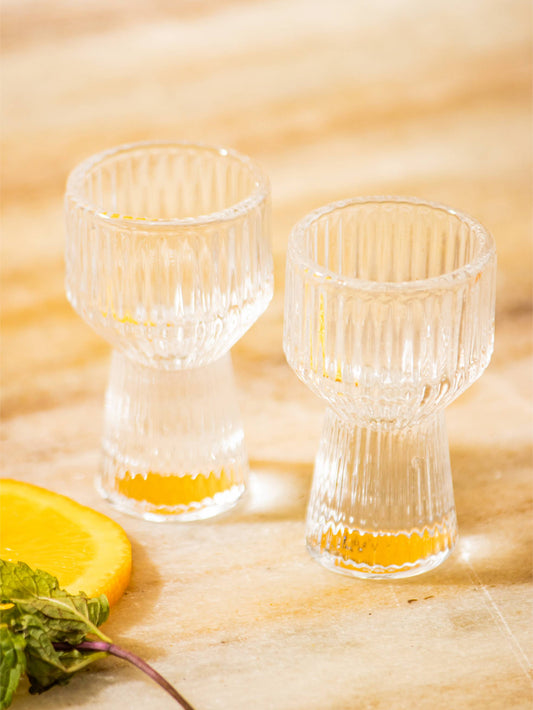
The Steel Tradition in Indian Kitchens — And Why Glass Is Quietly Replacing It
Share
For decades, one material defined the Indian kitchen — steel.
From morning chai to dinner water, stainless steel glasses were everywhere. They were durable, easy to wash, and passed down across generations. Every home had a steel rack, every dining table had steel tumblers, and every guest was served water in one.
But something has slowly started changing.
Walk into modern homes today and you will notice a subtle shift. The same kitchens still cook traditional food, but the serveware has evolved. Steel is no longer the only default. More families are now choosing glassware — not for fashion, but for comfort, hygiene perception, and everyday experience.
This is not a trend.
It is a lifestyle upgrade.
Why Steel Worked for So Long
Steel became popular in Indian households for practical reasons:
• extremely durable
• affordable
• unbreakable
• easy to clean
• widely available
For a long time, kitchenware was only about function. Presentation did not matter as much because kitchens were private spaces.
But Indian homes have changed.
Kitchens are now open layouts. Dining spaces connect to living rooms. Guests sit near cooking areas. Serveware is visible all the time. What you serve in has become part of home aesthetics.
And this is where glass naturally entered.
Why Glass Is Slowly Taking Over
Glass offers something steel never could — visibility.
When you drink water in a clear tumbler, you see:
-
clarity
-
bubbles
-
freshness
That visual transparency subconsciously signals hygiene. People feel cleaner drinking from something they can see through.
Explore everyday drinkware:
Glass Tumblers (https://kaanch.co.in/collections/tumblers)
Even plain water feels more refreshing in a glass tumbler compared to a steel one. The drink has not changed — the experience has.
This is one of the main reasons families across India are shifting toward glass sipper and tumbler use for daily hydration.
Glass Sippers (https://kaanch.co.in/collections/sippers)
Health and Safety Perception
Another major factor behind this shift is health awareness.
Today’s households think more about:
• materials
• reactions
• hygiene
• taste neutrality
Glass is chemically non-reactive. It does not interact with acidic drinks like lemon water, juices, or coffee.
Steel is safe too, but it changes sensory perception. Glass preserves taste neutrality — what you drink tastes exactly how it should.
That is why:
-
lemon water tastes fresher
-
cold coffee tastes smoother
-
juices feel lighter
People may not consciously analyze this, but they feel it.
The Rise of Home Hosting
Indian homes now host more often — small dinners, birthdays, casual gatherings, and festival evenings. Presentation has become part of hospitality.
Serving drinks in proper glassware instantly changes the mood.
Cocktail Glasses (https://kaanch.co.in/collections/cocktail-glasses)
A drink served in the right glass feels intentional. The same beverage served in steel feels routine.
Guests notice small details:
• clarity
• shine
• shape
• elegance
Glassware quietly communicates effort and care.
Desserts Changed Everything
One unexpected driver behind glass adoption has been desserts.
Modern families now serve:
-
ice cream
-
puddings
-
parfaits
-
fruit bowls
These foods rely heavily on visual appeal. Steel hides layers. Glass showcases them.
Ice Cream Cups (https://kaanch.co.in/collections/ice-cream-cups)
When layers are visible, desserts feel more premium even if they are homemade. This psychological effect has played a huge role in glass becoming part of everyday dining.
Modern Kitchens Need Modern Materials
Today’s kitchens are multifunctional:
• workspaces
• coffee corners
• breakfast counters
• social areas
Glass fits all of them.
A double layered coffee cup especially suits modern routines. It keeps drinks warm and comfortable to hold while looking elegant on open counters.
Double Layered Coffee Cups (https://kaanch.co.in/collections/double-walled-glass)
This is one reason home coffee culture has increased. People now enjoy café-style coffee at home because the experience feels complete.
Portability and Daily Use
Earlier, glass was avoided because it was considered fragile. But design has evolved. Modern glassware is now made for daily use.
Portable glass sipper bottles are becoming common in:
• home offices
• study desks
• bedside tables
• reading corners
Unlike plastic bottles, they do not retain odor. Unlike steel, they show the drink level clearly. This encourages hydration — people naturally drink more water when they can see it.
Why This Shift Is Permanent
This change is not temporary because it matches lifestyle evolution:
Old kitchen thinking → utility only
Modern kitchen thinking → utility + experience
Glass satisfies both.
It works daily and enhances presentation.
That is why demand for glassware in India is steadily growing, especially in urban homes and design-focused households.
Kaanch understands this shift. The goal is not to replace tradition, but to adapt it. The Indian kitchen still values practicality — glass simply adds comfort and beauty to it.
From Steel Habit to Glass Habit
Interestingly, families rarely switch overnight. It starts small:
• one glass tumbler
• one coffee cup
• dessert bowls
• then a full set
Once used daily, people rarely go back to steel for drinking. The experience difference becomes noticeable.
Water feels cooler. Coffee feels richer. Desserts feel indulgent.